
AI Voice for UGC Ads: Authentic Ad Reads Fish Audio
Create UGC-style AI voiceovers that sound conversational: script naturally, test hooks, handle creator consent and plan credits from $9.
AI voice for UGC ads works when the read sounds like a specific person explaining a real problem, not a narrator reading a brand script. Fish Audio can generate that conversational voice; the marketer remains responsible for the claim, disclosure and permission behind it.
The highest-converting UGC voice is usually the least performed one.
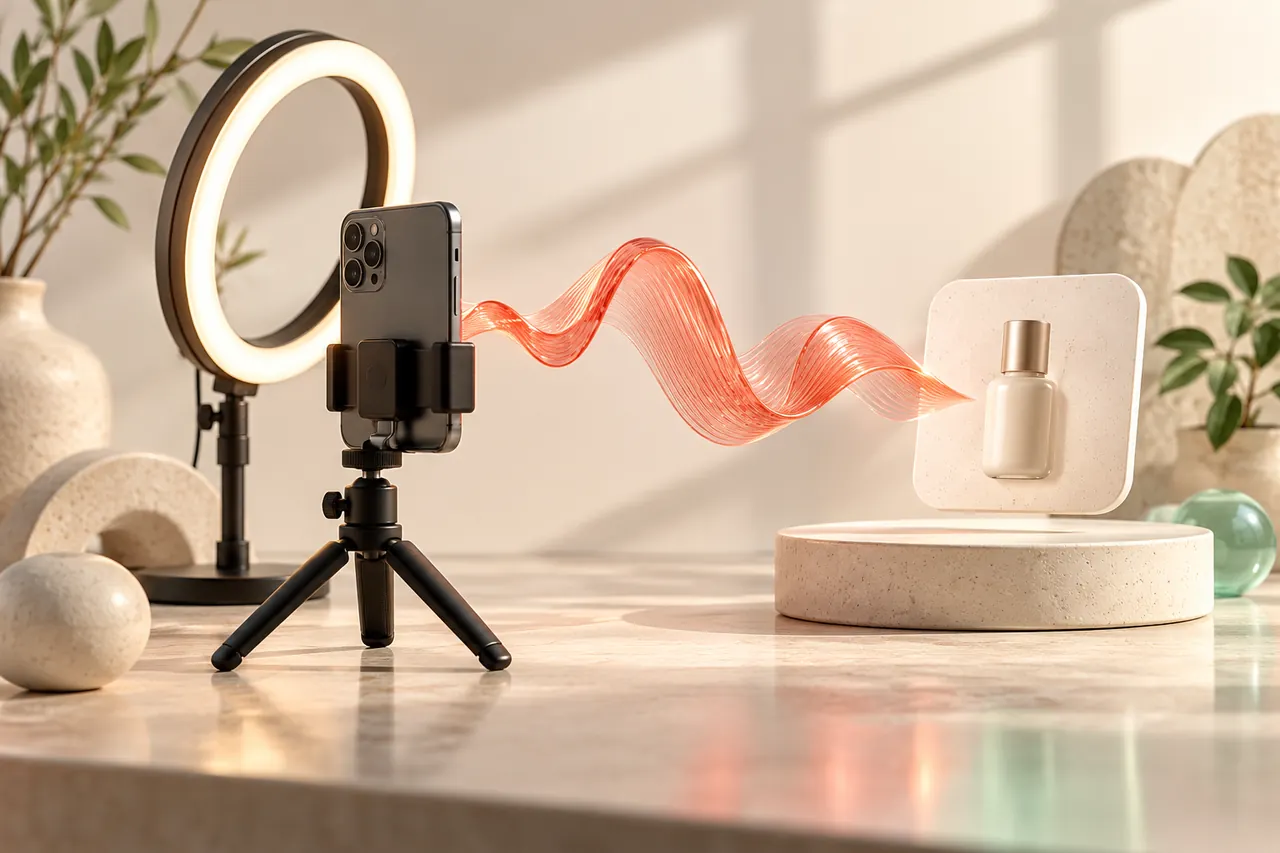
What makes a UGC ad sound authentic?
Authentic does not mean unscripted. It means the script contains concrete human context: the problem, the first reaction, the objection and the result. Sentences are short enough to be spoken.
Strong UGC voiceovers often follow this shape:
- Say the problem in the viewer’s words.
- Show the product entering naturally.
- Give one specific detail that proves attention.
- Explain the benefit without a list of every feature.
- End with one action.
The AI voice for ads guide covers campaign tests and claim review.
How do you write a conversational AI voice script?
Replace formal copy with spoken transitions. “Designed to optimize your workflow” becomes “I stopped losing the same ten minutes every morning.” Keep the real product claim in the more natural sentence.
Read the script aloud. If you run out of breath, the sentence is too long. If you would never say the phrase to a friend, the listener will hear the performance gap.
Which voice should you use?
Choose a voice with restrained energy. The viewer should hear one person speaking into a phone, not an announcer in a studio booth.
Audition on a 30-second script with a product name, one objection and a final action. The voice library guide explains how to compare candidates.
If the creative depends on a real creator, use a cloned voice only after documenting the speaker consent. The voice cloning API workflow is relevant when a production system manages many approved voices.
How do you test UGC variants?
Keep the video and script structure stable while changing one variable: hook, voice, pace or call to action. Otherwise a performance change cannot be attributed.
A simple experiment set:
- Hook A versus Hook B.
- Conversational voice versus confident narrator.
- 25-second cut versus 40-second explanation.
- Problem-first versus product-first opening.
Generate the voice once per approved script and preserve the accepted take with the asset ID.
What rights and disclosure rules apply?
Commercial rights for Fish Audio start with the $29 Creator pack. Cloning needs permission from the person whose voice is reproduced. Paid endorsement and synthetic-media rules may also require disclosure.
Do not make a synthetic person claim to have used a product when the voice and story are fictional. Use a script and disclosure that separate a brand demonstration from a genuine customer testimonial.
How much does a UGC AI voice cost?
A 30-second ad is roughly 450 characters, or half a credit. A 60-second ad is about 900 characters, or one credit. Regeneration and multiple hooks add to the total.
The $9 Starter pack contains 1,000 credits. Commercial campaigns use Creator or above. See pricing and the TTS API pricing guide.
How do you adapt one UGC concept across placements?
Keep the same core problem and proof, then rewrite the opening for the placement. TikTok and Reels need the problem within the first sentence; a pre-roll may need the brand context sooner; a feed placement can support a slightly slower story.
Generate separate voice files for each cut. Reusing one 60-second file and trimming it in every channel usually leaves abrupt endings and mismatched pacing.
Keep product claims identical across versions. A stronger hook must not introduce a result or endorsement that the approved substantiation does not support.
For the shot-by-shot import workflow after generation, see how to add AI voice to Instagram Reels.
What should be checked before delivery?
- Product claims match substantiation.
- The voice sounds appropriate for the creator and audience.
- Creator consent covers paid advertising and every channel.
- Music, footage and testimonials are separately licensed.
- AI disclosure meets current platform rules.
Key takeaways
- UGC voiceovers should sound conversational, not unscripted.
- Test one hook or delivery variable at a time.
- Use creator voices only with documented paid-use consent.
- Do not turn a synthetic voice into a fake testimonial.
- A one-minute read usually costs about one credit.
Frequently asked questions
What is a UGC-style AI voice ad?
It is a short social ad that sounds like a person speaking from experience rather than a polished studio announcer. The AI generates the voice, but the script, product claims and rights still need human review.
Can I clone a creator voice for ads?
Only with the creator’s documented permission for the brand, platforms, duration and paid use. Commercial rights from the Creator pack do not replace the creator’s consent.
How long should a UGC voiceover be?
A 30-second spot is usually 70–90 words, or roughly 450 characters. A 60-second ad is around 140–170 words and about one to two credits.
How do I make AI voice sound less like an ad?
Write shorter sentences, include a real problem and one credible detail, remove corporate phrasing and test a restrained conversational delivery with natural pauses.
Do I need to disclose AI-generated voice?
Follow the current platform, advertising and endorsement rules. Use clear disclosure where required and never imply that a synthetic speaker personally used or endorsed a product when they did not.